Draping and Pattern Making
The art of age.
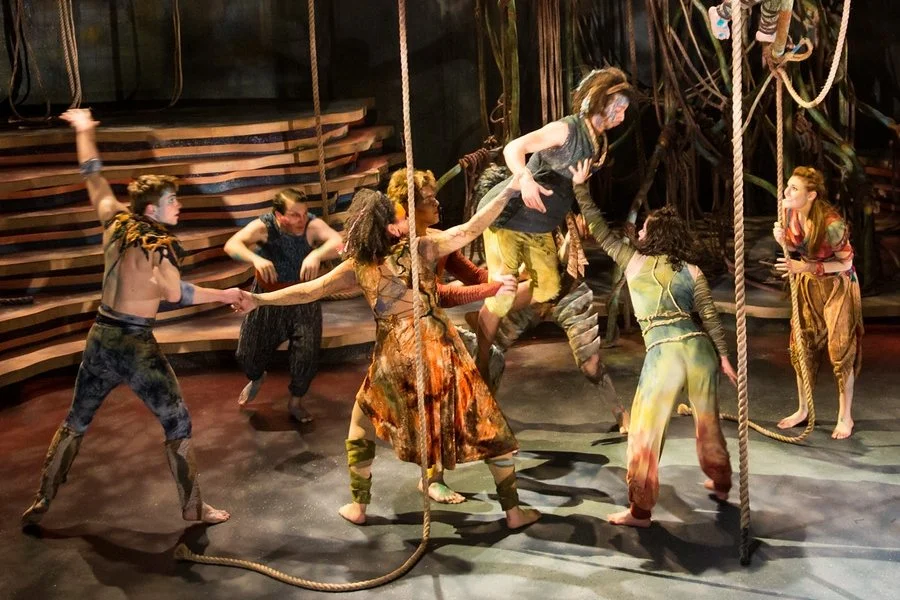
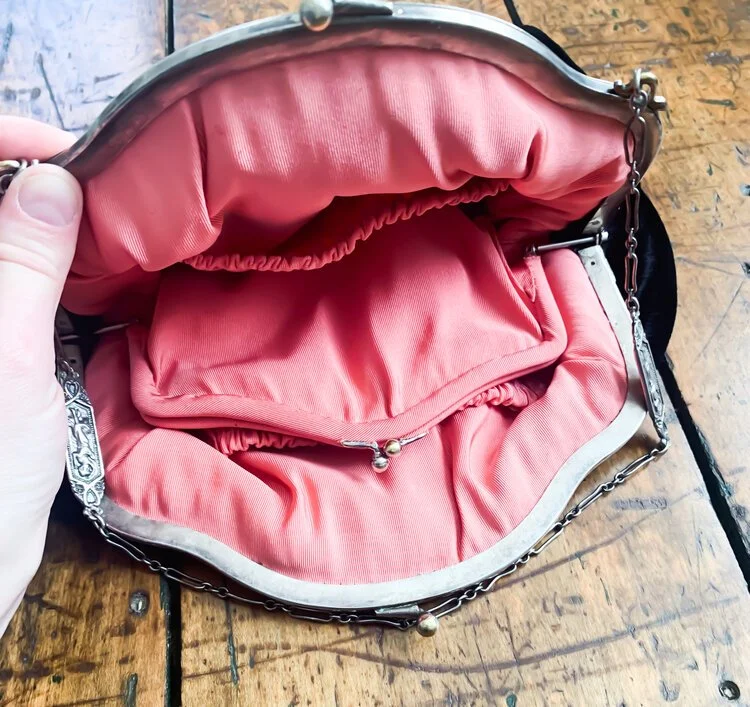
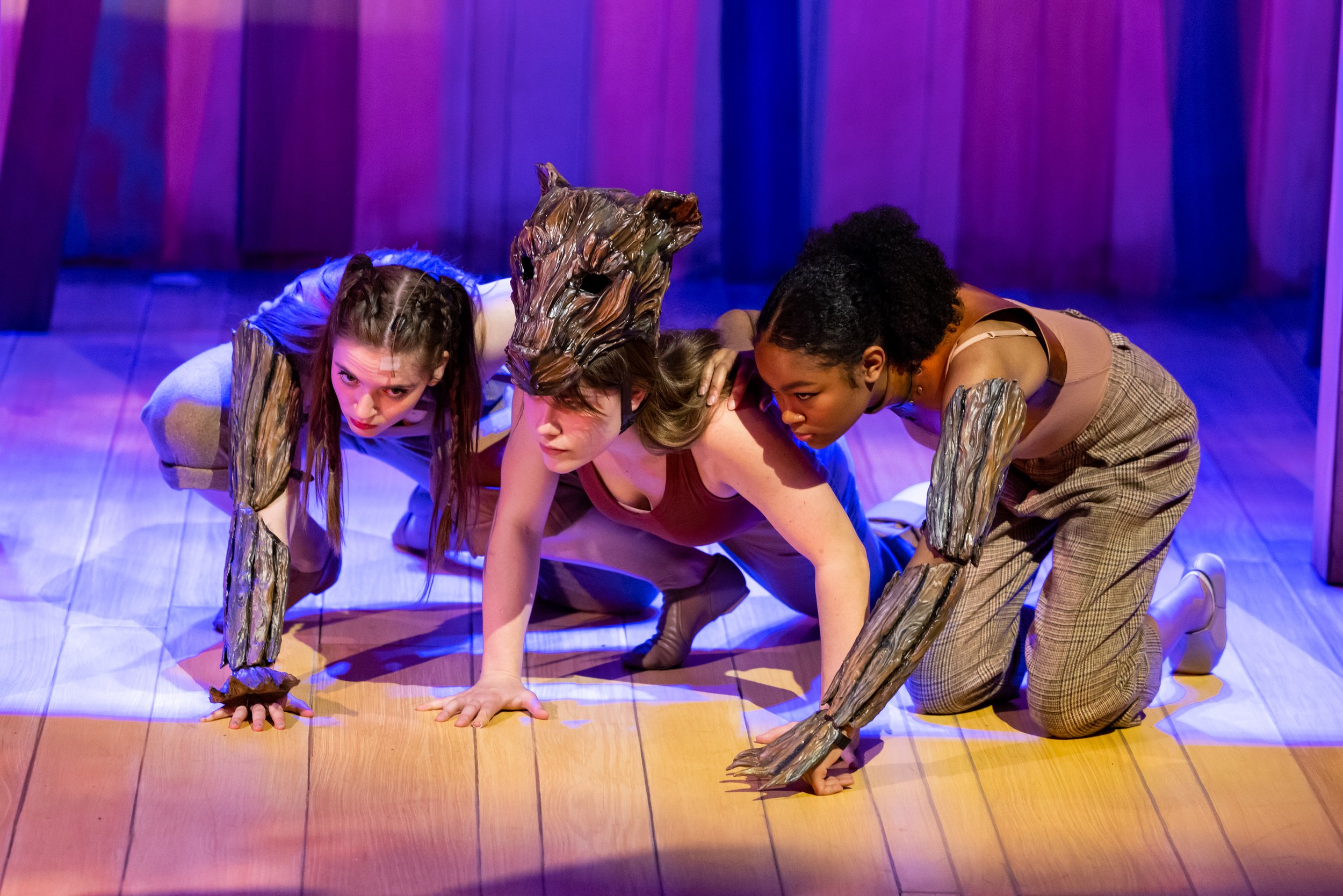
Distressing is often the final touch before the costume hits the stage. It supports the designer's storytelling, and melds the piece with the world. And in the best of worlds, it looks lived-in and adds to the costume, and you don't say "Wow! Look at the distressing!"
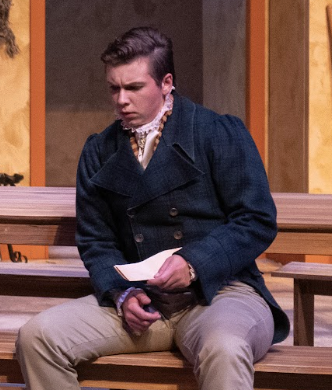
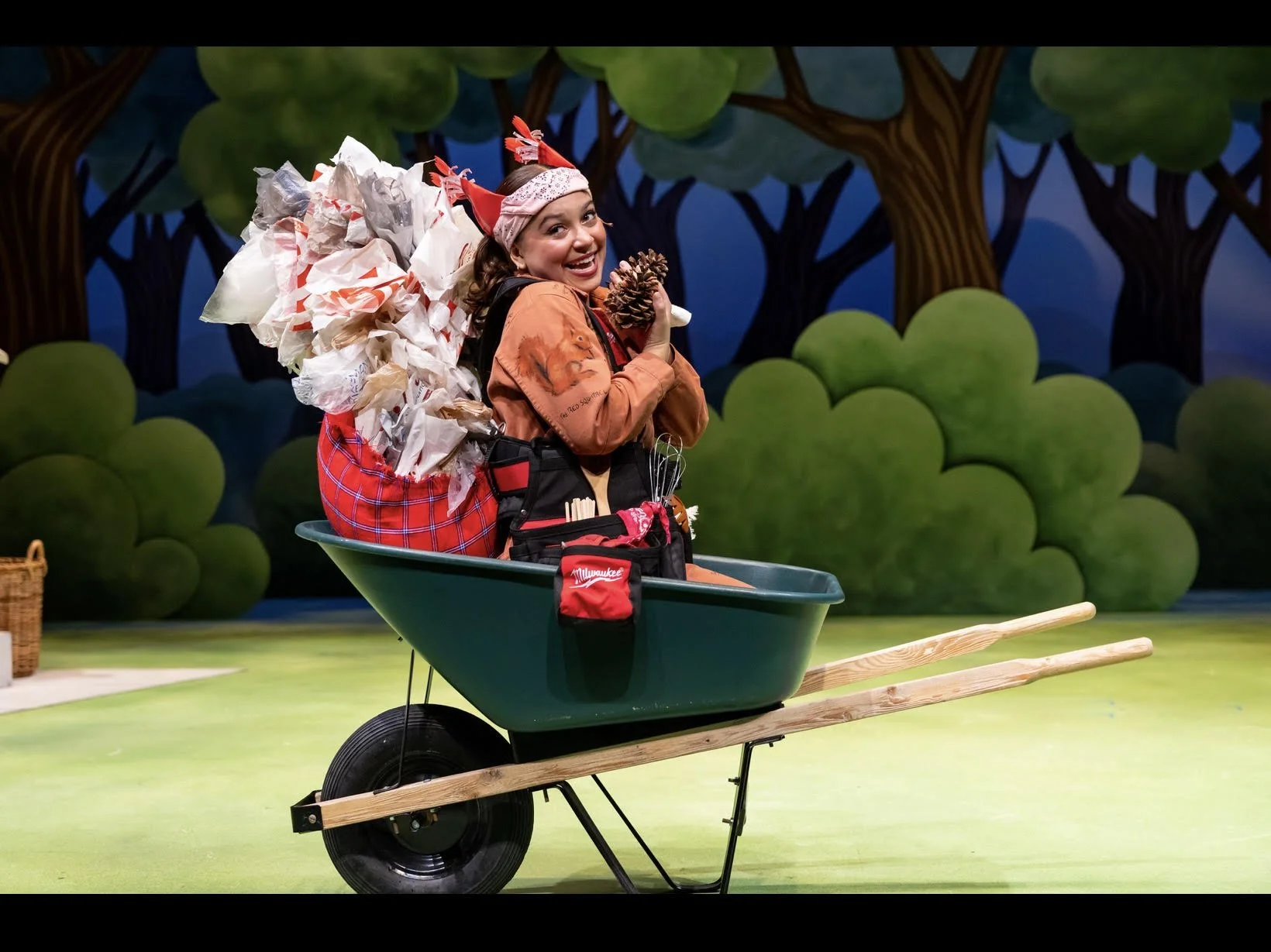
Since I started at UWL, I have had far more time to create actual clothing as well as more craft-based projects. Here’s a selection of some of my favorite pieces I’ve patterned. While draping is my go to, I utilize flat patterning for my menswear. From sketch to stage, this is my favorite kind of magic.
Production photos courtesy of David Harlan unless otherwise stated.
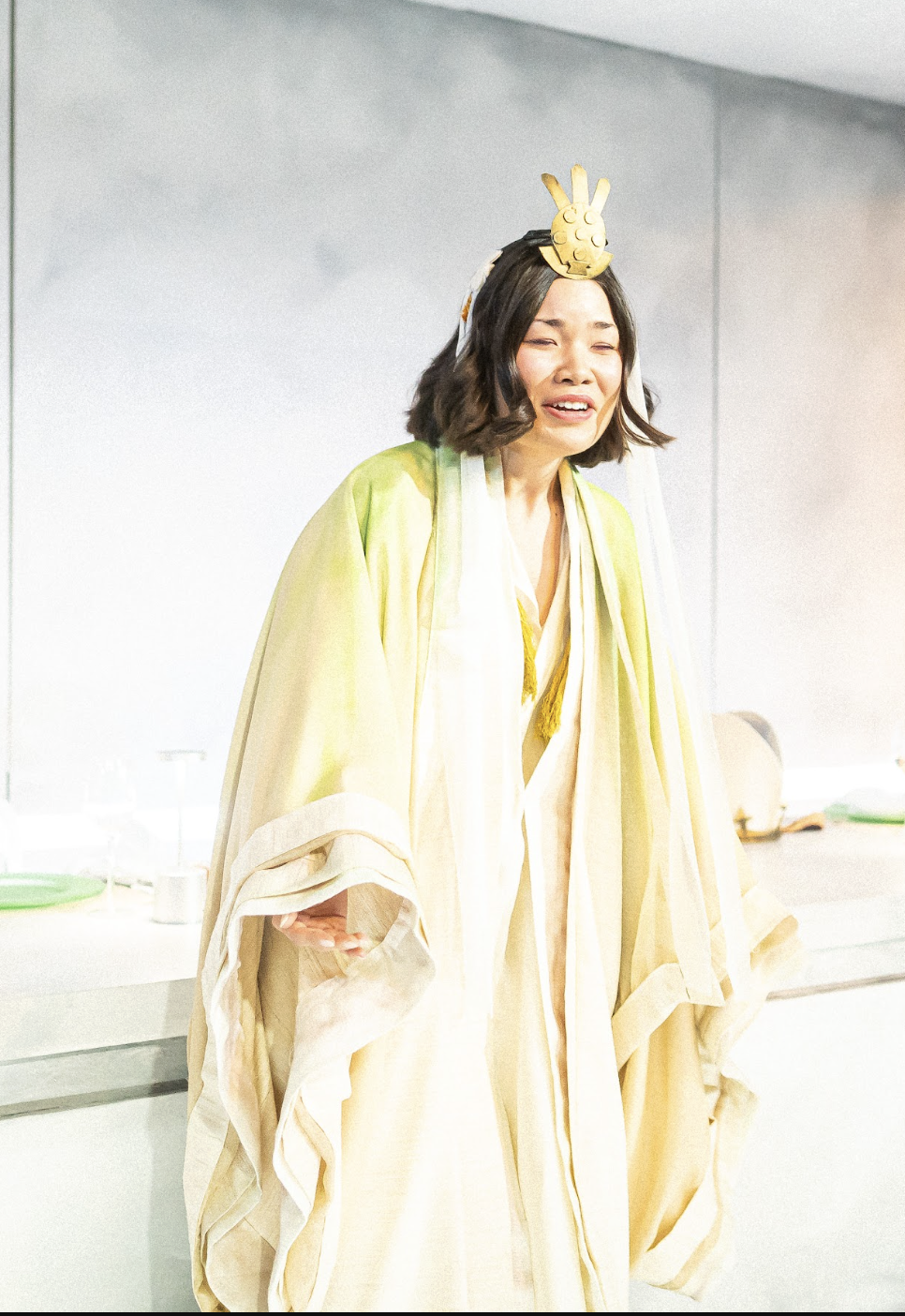
White and neutral quick change version of jūnihitoe. Patterned, designed, and airbrushed by Anna Wooden.
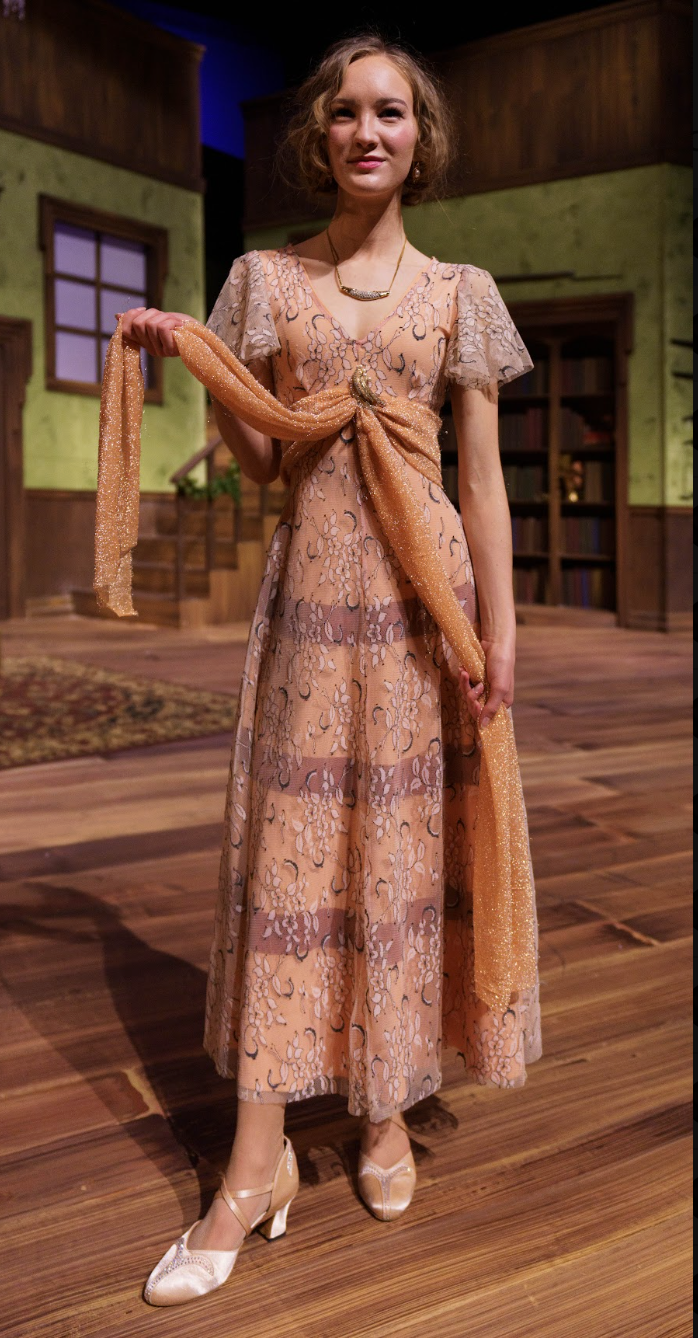
1930s dress, built in stretch to accomadate the actions of the show. Designed and built by Anna Wooden
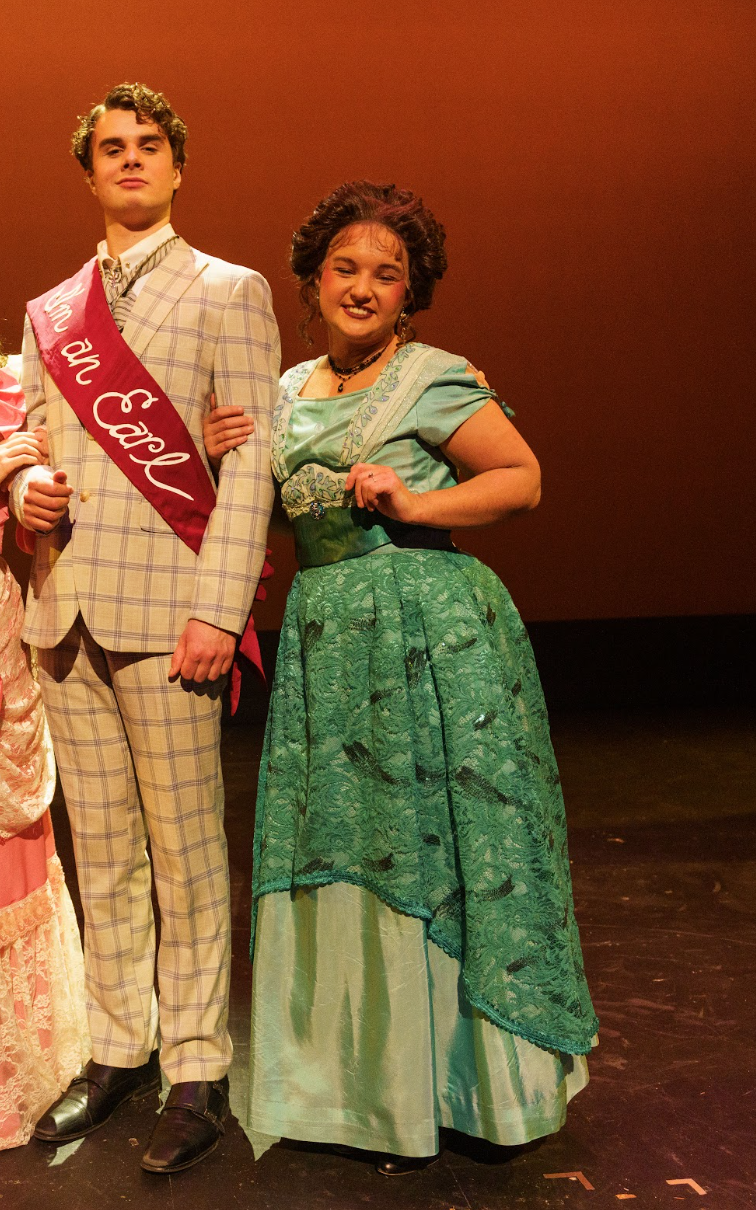
Edwardian-inspired ball gown with a bustled train. Designed by and built Anna Wooden.
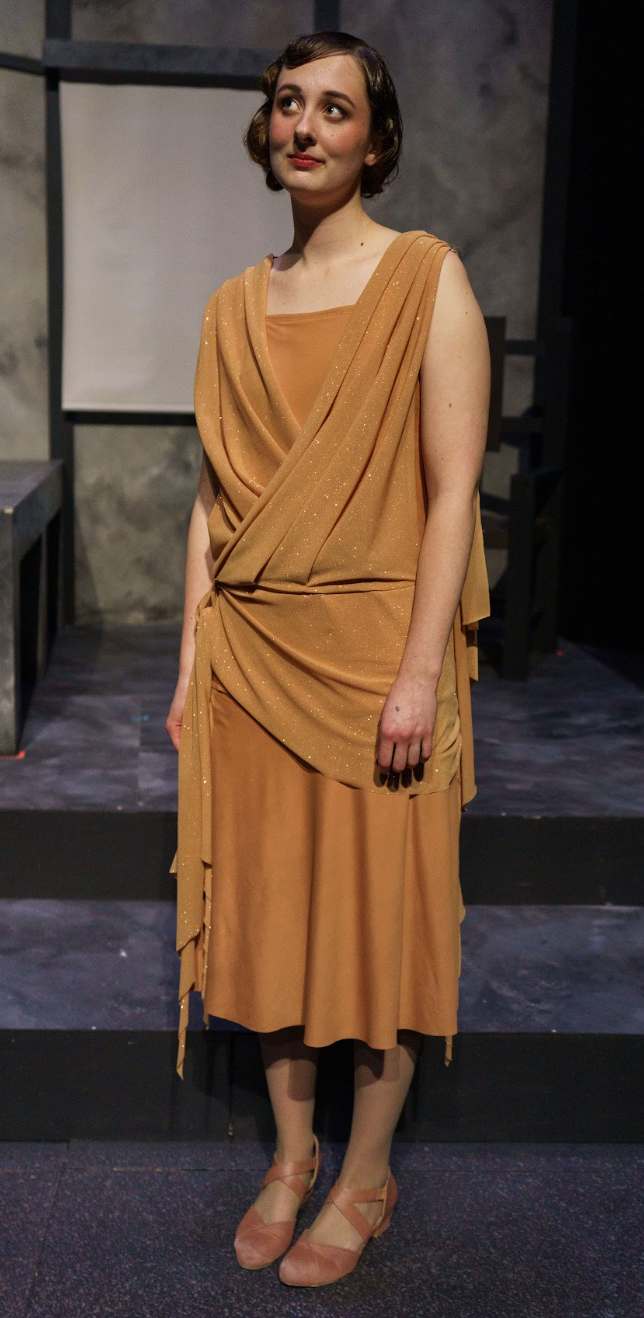
1920s evening dress. Built in stretch to accommodate onstage changes. Designed by Michelle Collyar.
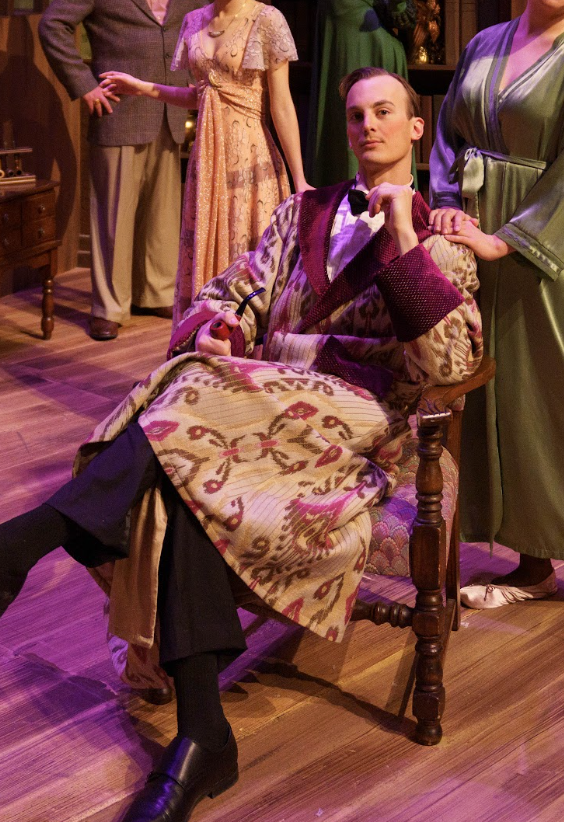
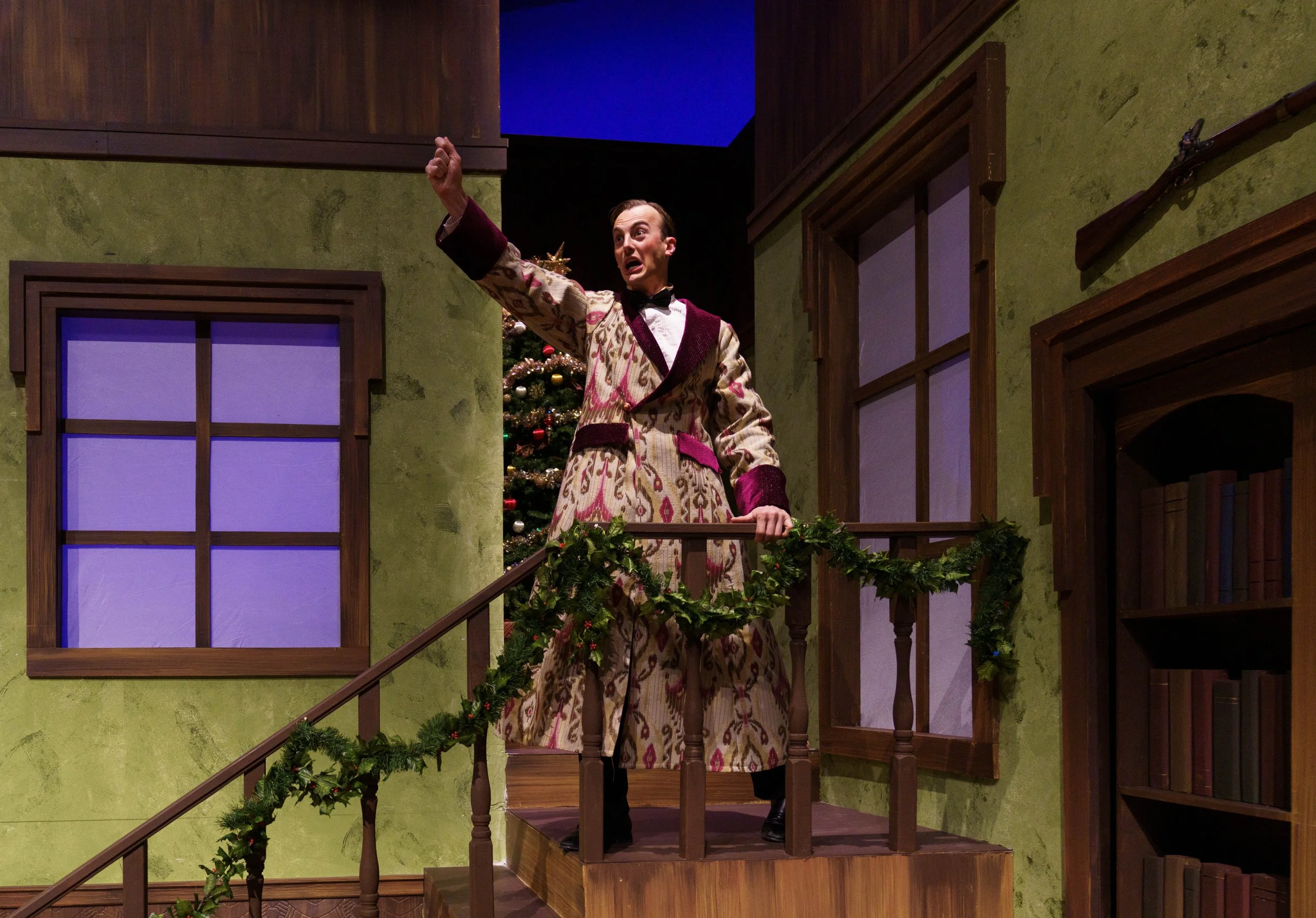
Smoking jacket, Designed and built by Anna Wooden.
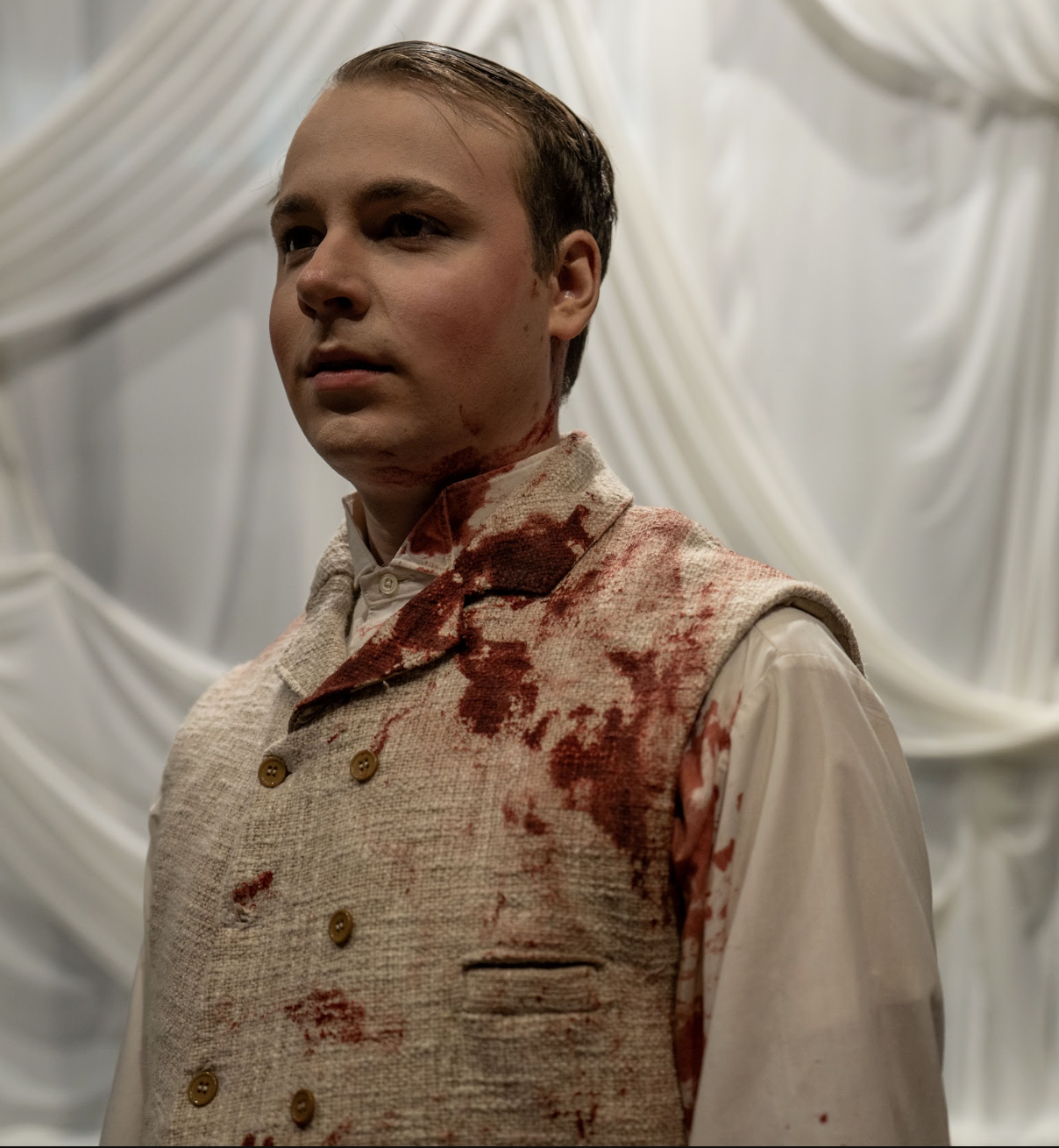
Machine washable suit vest and pants, made to hold up under multiple washings because there was a lot of blood. Designed by Eloin Voegeli.
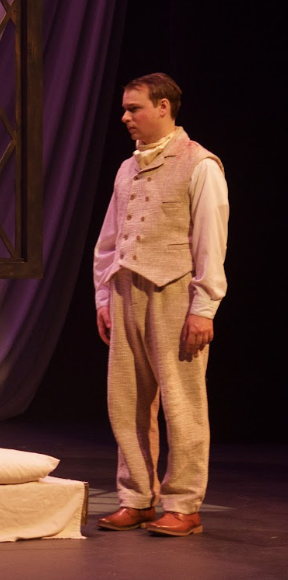
Machine washable suit vest and pants, made to hold up under multiple washings because there was a lot of blood. Designed by Eloin Voegeli.
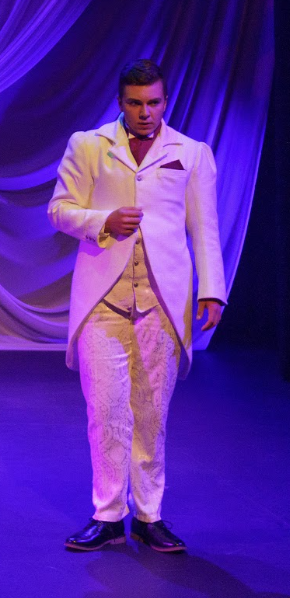
White cutaway coat, made to hold up under multiple washings because there was a lot of blood. Designed by Eloin Voegeli.
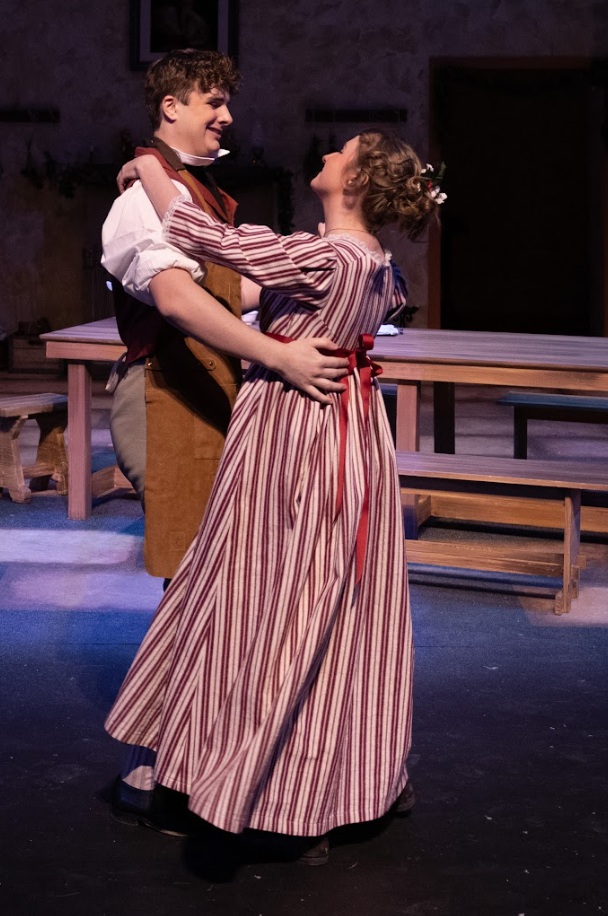
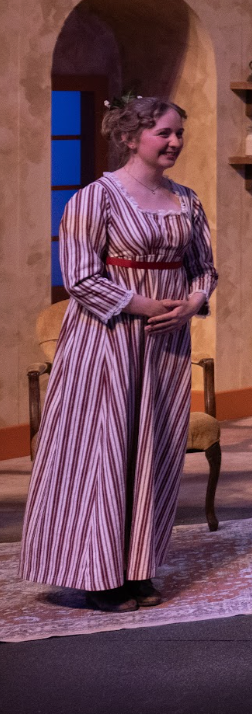
Maids dress, Designed and built by Anna Wooden
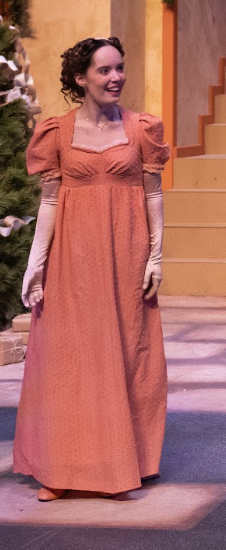
Cotton batiste dress, designed and built by Anna Wooden
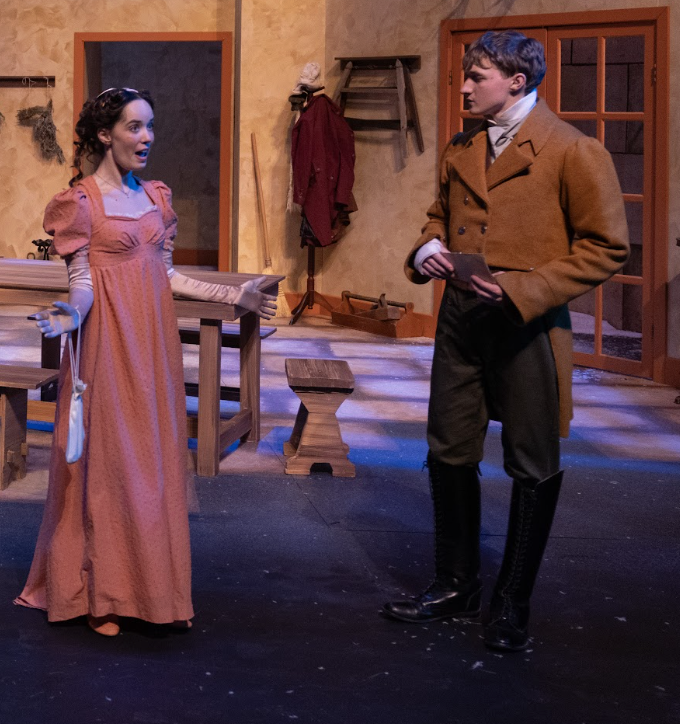
Dress and frock coat designed and built by Anna Wooden
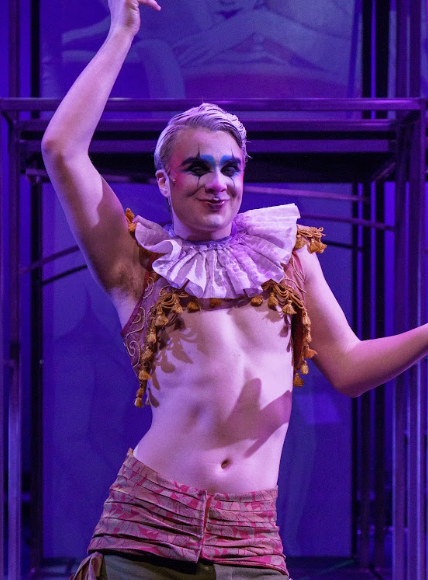
Bolero and collar, designed and built by Anna Wooden
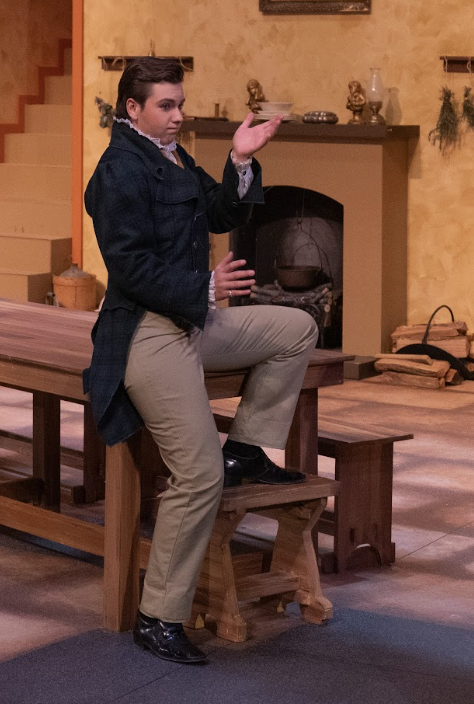
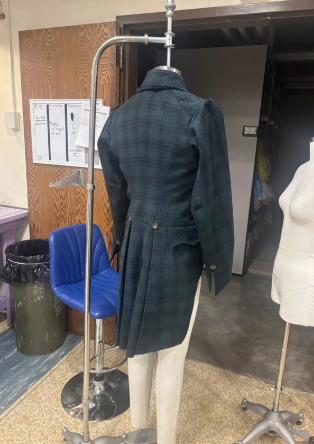
Plaid tail coat, designed and built by Anna Wooden